EGGSISTENTIALISM
Decomposition as Art: Biological Fragility | Cryoconservation | and Reproductive Justice
PROJECT TYPE
Multidisciplinary Research / Living Installation
ARTISTS
Vanane Borian, Anna Vahrami (Y collective)
START DATE
2021
RESEARCH FIELD
Biopolitics • Reproductive Justice • Material Studies
STATUS
Phase 1 - Finished/ Phase 2 - Finished/ Phase 3 - Ongoing
LOCATION
Yerevan, Armenia
01 — THE CONCEPT
Biological Fragility and Reproductive Autonomy
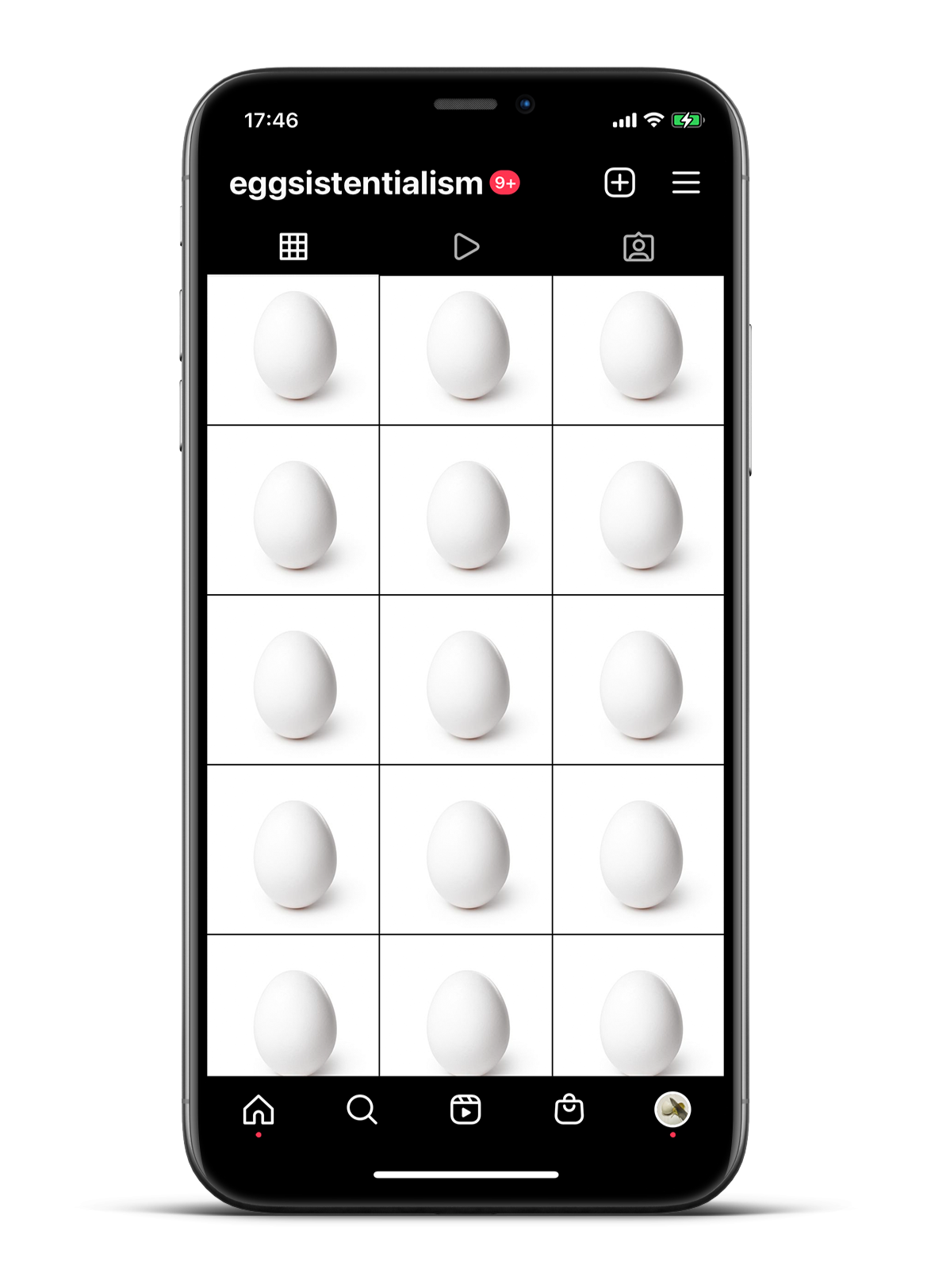
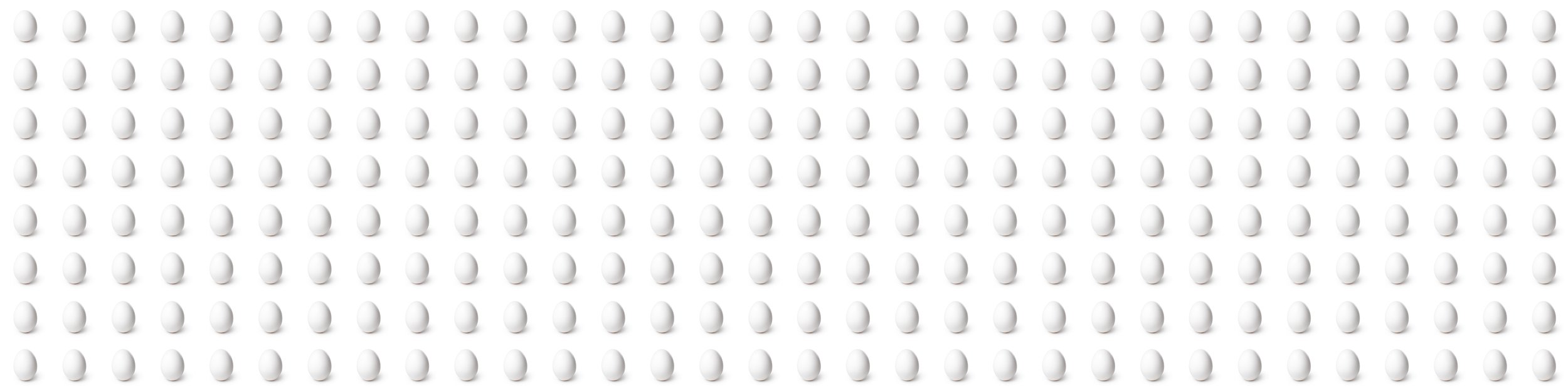
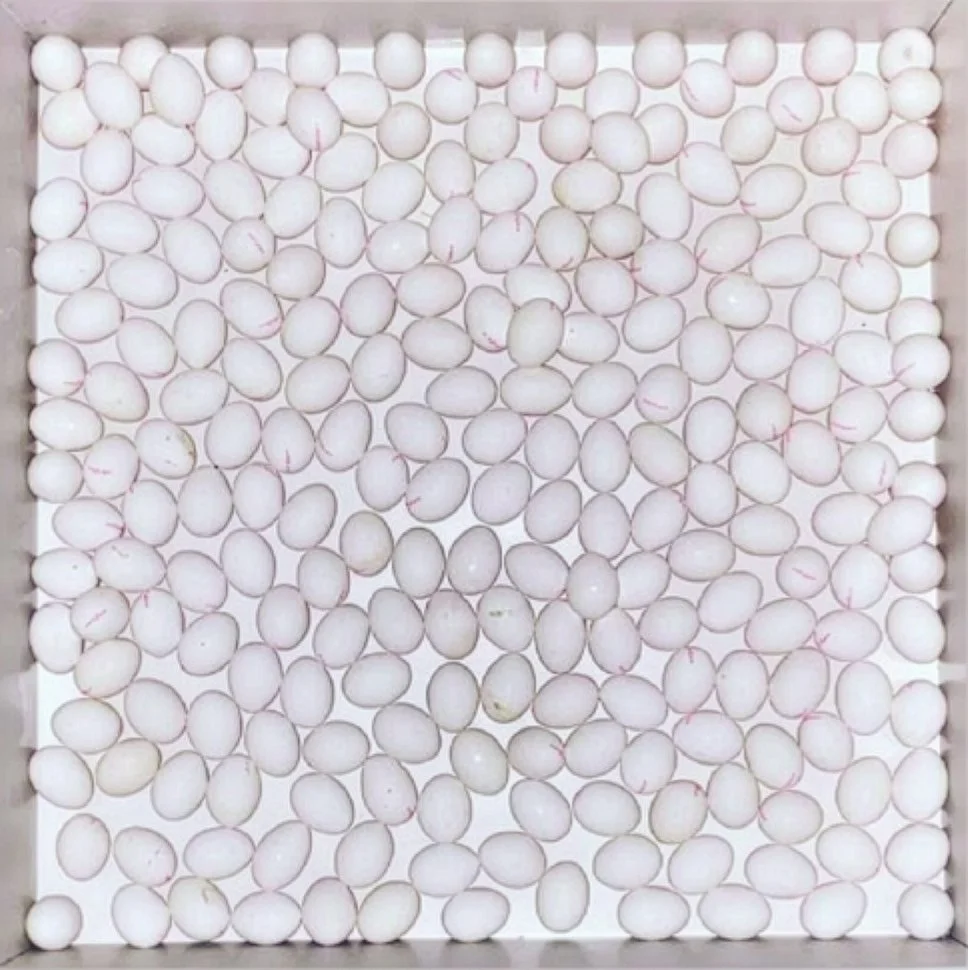
Eggsistentialism uses the egg as a symbol to explore existence, mortality, and the biological clock. The first phase (2021) placed one hundred sealed eggs in a closed environment, allowing them to decompose over four months as a living installation. A digital phase (2022–2023) extended the idea conceptually: one egg image posted daily for a year, preserved online without decay. The project contrasts organic deterioration with technological suspension, revealing the tension between biological vulnerability, fertility limits, cryoconservation, and the illusion of digital immortality.
02 — THE RESEARCH
Entropy, Biological Limits & Posthuman Continuity
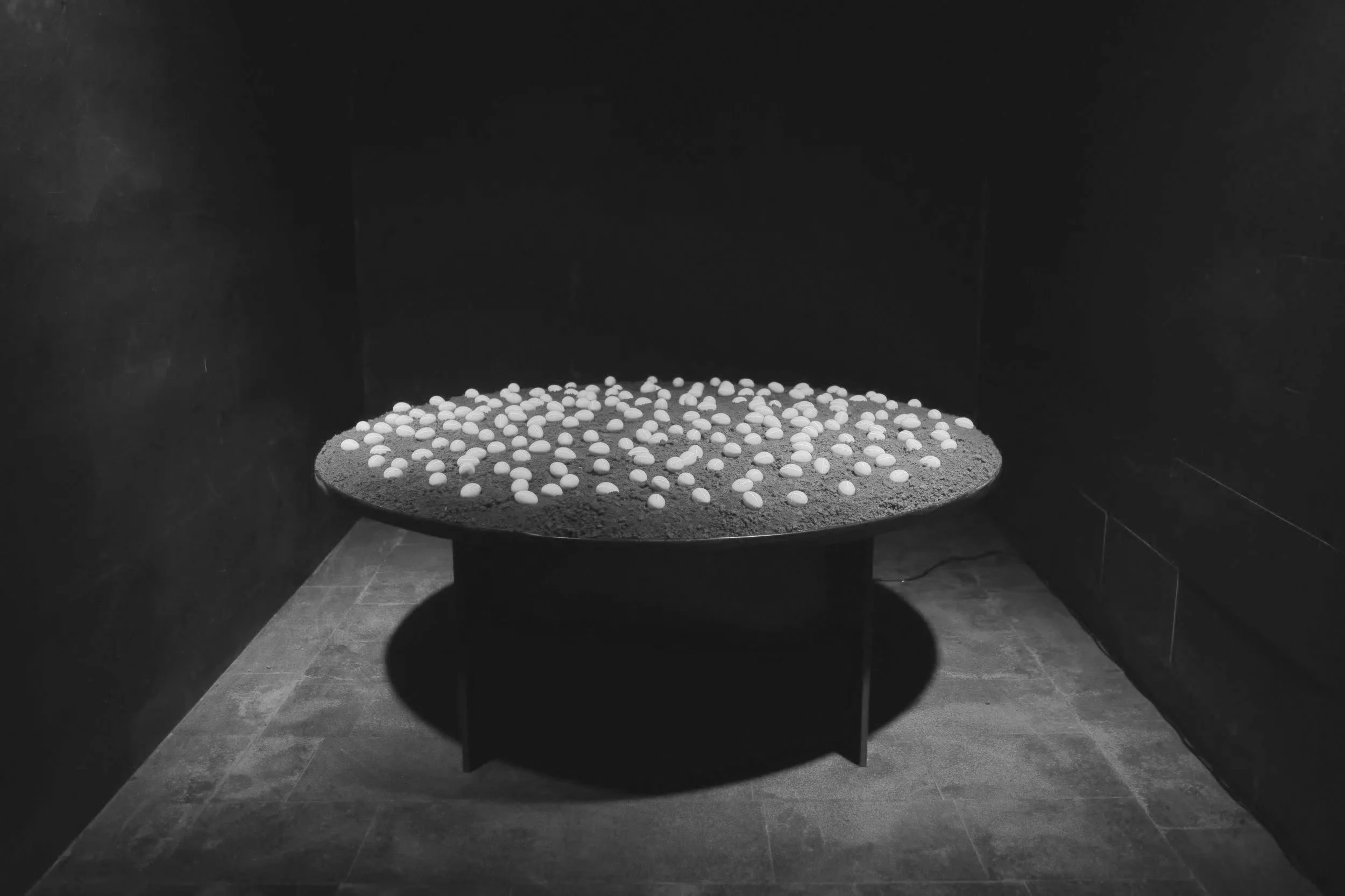
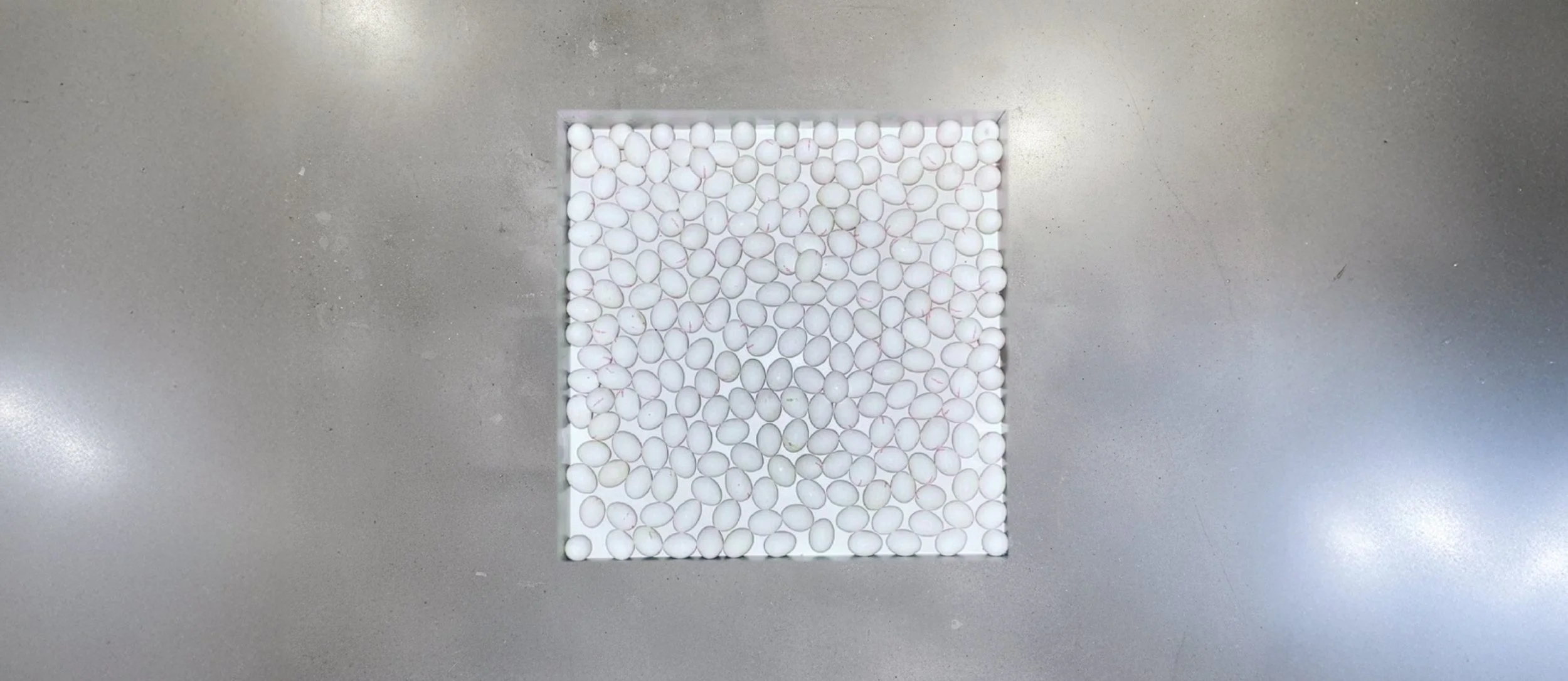
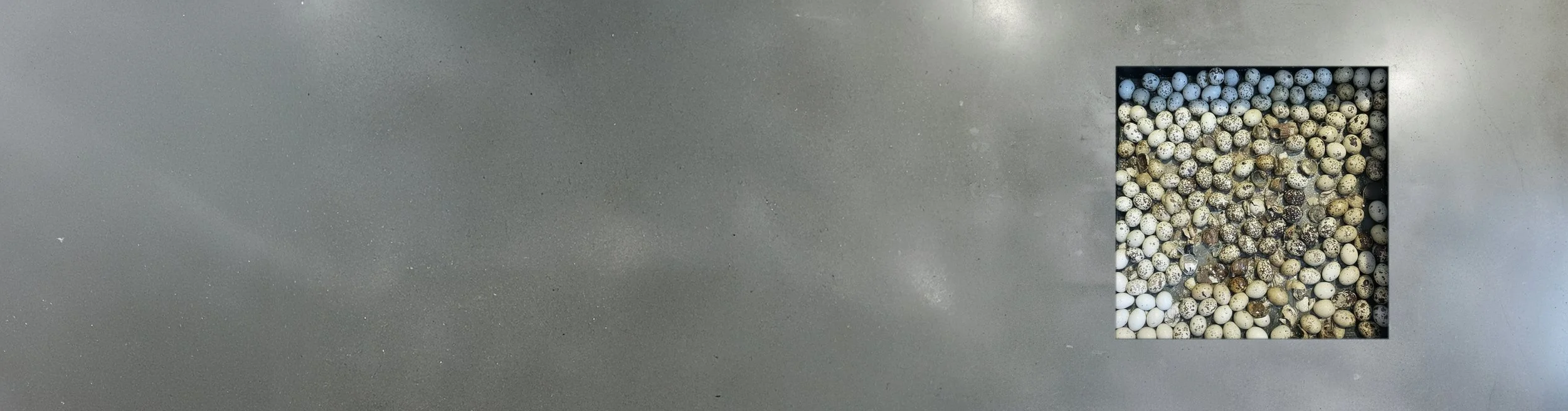
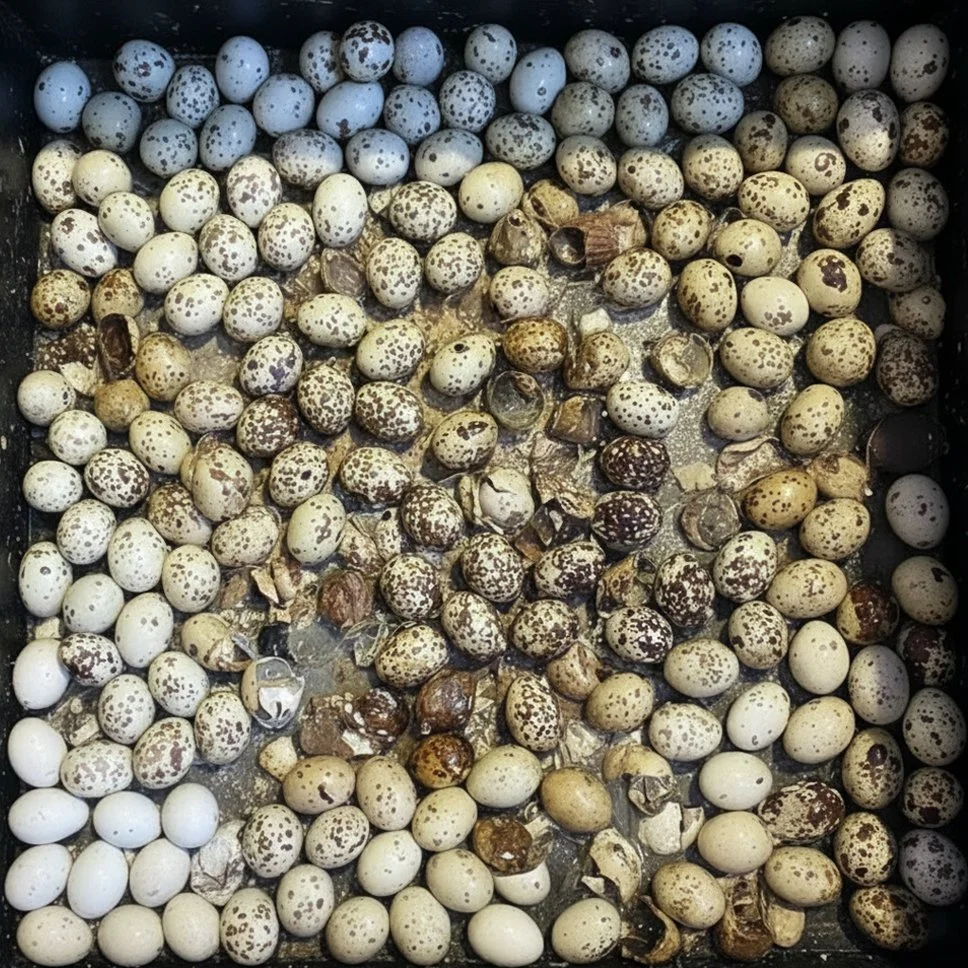
The research begins with a controlled micro-environment where one hundred sealed eggs were left to decay naturally, allowing entropy, matter breakdown, and irreversible change to unfold without intervention. The decomposition becomes a direct study of biological fragility—mirroring questions around fertility, finite reproductive timelines, and the constraints of organic life.
The digital phase introduced a parallel timeline untouched by biology. Here the project intersects with posthuman and transhuman theories, exploring the desire to extend life, preserve form, and transcend bodily limits through technology. This contrast raises core questions: What does preservation mean when matter itself is temporary? Can digital continuity—or cryoconservation—truly suspend biological time, or only simulate endurance?
04 — THE INSTALLATION
A Quiet Laboratory of Transformation
The installation presented the eggs as a minimal field of slow change—a living archive of collapse, rupture, and transformation. Visitors encountered subtle shifts rather than spectacle, observing how time acts on matter in ways that are often invisible or overlooked. The environment encouraged reflection on fragility, temporality, and the inevitability of biological transformation.
03 — THE PROCESS
Four Months of Undisturbed Transformation
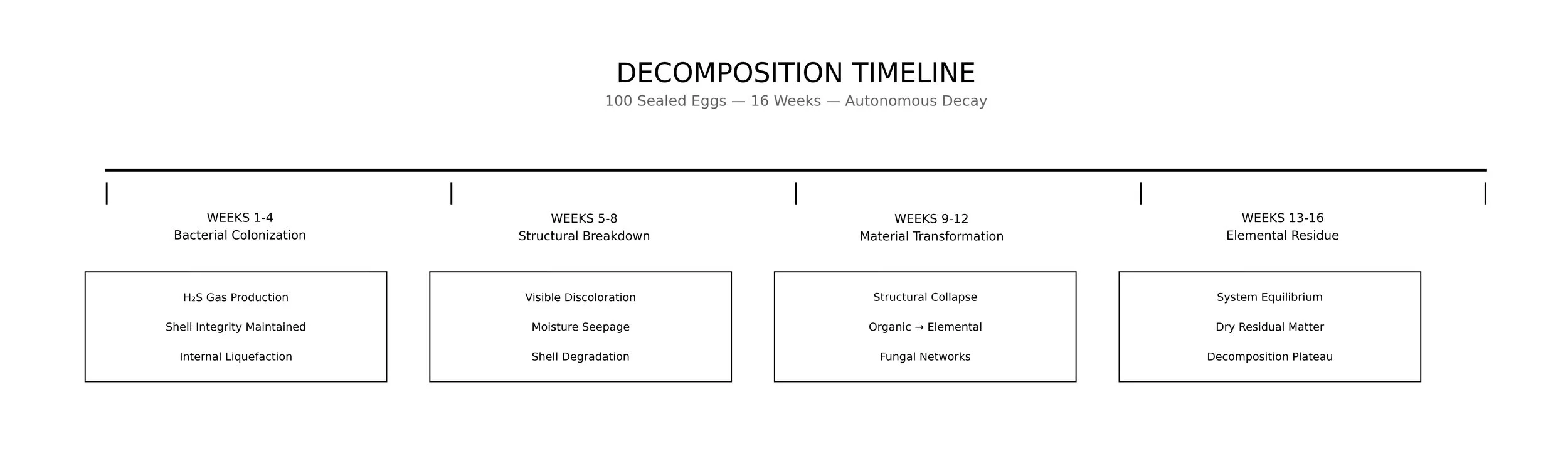
One hundred eggs were sealed and left undisturbed for four months, allowing natural decomposition to unfold autonomously. This simple setup created a self-contained system where organic change became both the method and the material. The digital component later broadened the conceptual inquiry but remained secondary to the primary process of observing biological decay.
05 — IMPACT & OUTCOMES

Revealing Biological Time
Highlights the unavoidable processes of decay that define organic existence.

Questioning Preservation Technologies
Challenges expectations around suspended time, cryoconservation, and digital permanence.

Addressing Reproductive Autonomy
Prompts conversations about fertility, bodily limits, and cultural narratives around the biological clock.
Bridging Art and Scientific Inquiry
Shows how simple organic materials can illuminate broader questions of matter, identity, and continuity.
06 — PHILOSOPHICAL FRAME
Time, Technology, and the Desire to Outrun Biology
Eggsistentialism reflects on the human aspiration to surpass biological constraints—through fertility technologies, cryoconservation, or posthuman/transhuman visions of life beyond the body. The decomposing eggs reveal that biology remains inseparable from time, regardless of intervention. The digitally preserved eggs embody the opposite extreme: permanence without presence, continuity without life. Together, these two timelines examine what can truly endure—matter, identity, or only the image of survival.